
round makeup mirror with lights
Understanding Tilting Check Valves Operation, Applications, and Benefits Tilting check valves are essential components in various fluid systems, playing a critical role in ensuring the proper flow direction while preventing backflow. These valves, engineered for both efficiency and reliability, are commonly used in industries such as water treatment, chemical processing, and oil and gas. This article delves into the operation, applications, and benefits of tilting check valves, highlighting their importance in modern engineering solutions. Operation of Tilting Check Valves Tilting check valves operate based on a simple yet effective mechanism that allows fluid to flow in one direction while preventing reverse flow. The main component of the valve is a tilting disc that pivots on a hinge. When fluid flows in the intended direction, the pressure pushes the disc off its seat, allowing passage. However, if the flow direction reverses, the disc tilts back to its original position, sealing the valve and blocking backflow. This tilting action is advantageous over conventional swing check valves, as it reduces the amount of space needed for operation and minimizes the risk of valve chatter—a condition where the valve rapidly opens and closes due to fluctuations in pressure. Tilting check valves are designed to respond more effectively to changes in fluid dynamics, making them a reliable choice for dynamic systems. Applications of Tilting Check Valves Tilting check valves are used in a variety of applications across multiple industries. Their ability to effectively manage flow direction and prevent backflow makes them ideal for 1. Water and Wastewater Treatment In water treatment facilities, these valves help control water flow through various stages of purification and prevent contamination by stopping backflow in the system. They are crucial in ensuring that treated water remains free from pollutants. 2. Chemical Processing In chemical plants, tilting check valves manage the flow of corrosive and hazardous fluids, ensuring that backflow does not occur, which could lead to contamination or unsafe conditions. Their durable construction allows them to handle high-pressure and high-temperature applications. 3. Oil and Gas The oil and gas sector relies on tilting check valves to manage the flow of crude oil and natural gas through pipelines and refineries . They provide a necessary safeguard against reverse flow, protecting equipment and processes from potential damage. tilting check valve 4. HVAC Systems In heating, ventilation, and air conditioning (HVAC) applications, these valves help control airflow and ensure that hot or cold air flows in the intended direction, enhancing system efficiency. Benefits of Tilting Check Valves The use of tilting check valves offers numerous benefits - Prevention of Backflow The primary function of tilting check valves is to prevent backflow, safeguarding systems against potential damage and ensuring operational safety. - Reduced Pressure Drop These valves typically exhibit lower pressure drop characteristics compared to traditional check valves, which translates to improved system efficiency and reduced energy consumption. - Versatile Design Tilting check valves come in various designs and materials, allowing for customization to specific applications, whether in corrosive environments or systems with varying pressure requirements. - Ease of Maintenance The simple design of tilting check valves facilitates easy installation and maintenance. Many models do not require regular maintenance, which can help reduce operational costs over time. - Increased Reliability The robust construction of tilting check valves ensures they can withstand the rigors of industrial environments, leading to a longer lifespan and decreased likelihood of failure. Conclusion Tilting check valves play a vital role in maintaining the integrity and efficiency of fluid systems across various industries. Their ability to prevent backflow, combined with their efficient operation and versatility, makes them an invaluable component in modern engineering. As industries continue to evolve, the demand for reliable and efficient flow management solutions, like tilting check valves, will remain a critical consideration in system design and operation.
about
round makeup mirror with lights
Understanding Optical Composite Image Level In the realm of digital imaging and remote sensing, the term optical composite image level refers to a sophisticated technique used to enhance the visual representation of various features on the Earth's surface. This approach is particularly valuable in interpreting landscapes, monitoring environmental changes, and conducting detailed geographic studies. By combining multiple optical images, researchers can create composite images that provide a richer, more informative view than any single image could offer. What is an Optical Composite Image? An optical composite image is generated by merging several images captured at different wavelengths of light. These wavelengths often encompass the visible spectrum as well as near-infrared and shortwave infrared bands. The integration of these different wavelengths allows for the accentuation of particular features and attributes of the landscape, such as vegetation health, water bodies, and built environments. For instance, in a typical optical composite image made from satellite data, the use of the near-infrared band can significantly enhance vegetation visibility. Healthy plants reflect more infrared light compared to barren land. This differential reflection can be visually represented, allowing for the identification of vegetation patterns and health across large areas. Levels of Optical Composite Imagery Optical composite images can be categorized into various levels based on their processing and intended use. The primary levels include 1. Level 1 (L1) This is the initial stage where raw data from satellite or aerial sources is processed to correct geometric and radiometric distortions. The images produced at this level may still have limitations regarding visual clarity and interpretability. 2. Level 2 (L2) At this level, additional processing is applied, typically involving atmospheric correction to enhance image quality. This level is crucial for accurately representing surface reflectance, allowing for more detailed analysis. 3. Level 3 (L3) Level 3 optical composite images are often multi-temporal or multi-spectral composites that integrate data over specific periods or use various spectral bands . This level is especially useful for conducting time-series analyses and monitoring changes in land use, vegetation, and urban development. optical composite image level 4. Level 4 (L4) This level may involve advanced algorithms and machine learning techniques to extract meaningful insights from the data. It often provides categorized outputs, such as land-use classifications or predictions concerning environmental shifts. Applications of Optical Composite Images The applications of optical composite images are numerous and span various fields - Environmental Monitoring Researchers utilize optical composite images to observe changes in land cover, deforestation, and the health of ecosystems. For example, tracking the health of coral reefs or the dynamics of wetlands can significantly impact conservation efforts. - Urban Planning City planners use these images to analyze urban sprawl and develop strategies for sustainable growth. By visualizing land use over time, they can make informed decisions to improve infrastructure and livability. - Disaster Management In the event of natural disasters such as floods or wildfires, optical composite images can help in assessing damage and planning recovery efforts. They provide essential situational awareness for emergency responders. - Agricultural Monitoring Farmers and agronomists analyze these images for monitoring crop health, irrigation efficiency, and yield predictions. The capacity to visualize plant stress and growth conditions aids in precision agriculture practices. Challenges and Future Directions While optical composite images are incredibly valuable, they are not without challenges. Issues such as cloud cover, sensor limitations, and data processing requirements can complicate their use. Nonetheless, advancements in drone technology, artificial intelligence, and satellite capabilities continue to enhance the quality and accessibility of optical composite imagery. As the demand for geospatial data rapidly grows, researchers are likely to develop more sophisticated algorithms and novel ways to integrate multi-source data for improved visualization. The future of optical composite images promises expanded applications, personalized insights, and a deeper understanding of our planet’s dynamic systems. Through continued innovation, optical composite images will remain a cornerstone in addressing global challenges and fostering sustainable development.
-

High quality industrial productsagement

High quality industrial products
View Details -

Meet the diverse needs of customers

Meet the diverse needs of customers
View Details -

Strict quality control

Strict quality control
View Details -

Top raw materials

Top raw materials
View Details -

Trusted supplier

Trusted supplier
View Details
Our application

news and information
Vent cap made of plastic resembling a mushroom design for ventilation systems.
Plastic Mushroom Vent Cap An Overview Plastic mushroom vent caps are an essential component of vari
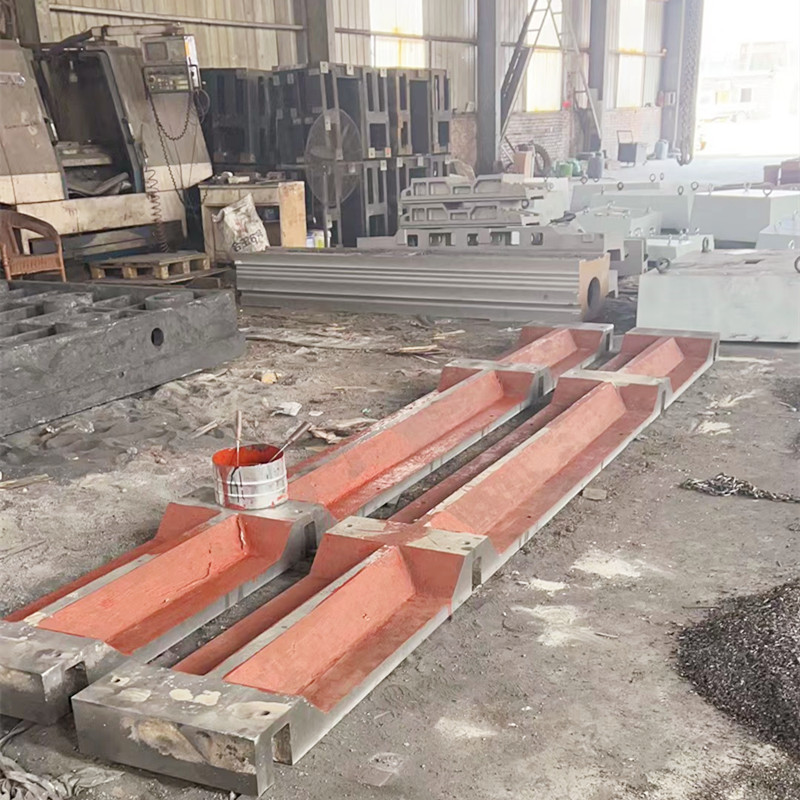
Wholesale Options for High-Quality Ball Valves in Various Sizes and Materials
The Growing Market for Ball Valve Wholesale Trends and Insights In the world of plumbing and industr
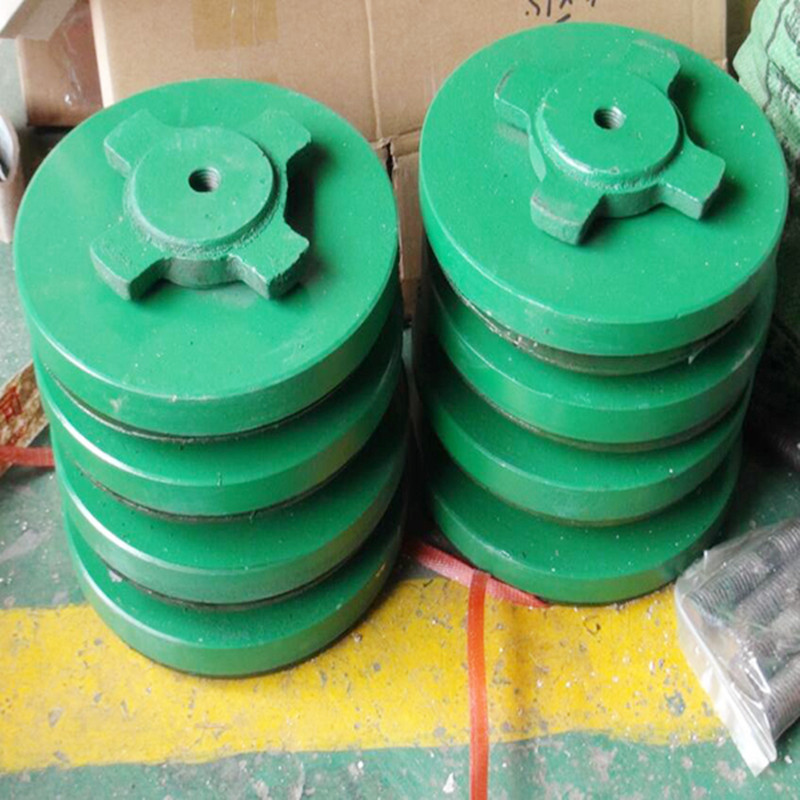
water valve shutoff
Navigating the realm of home maintenance and plumbing systems can often be a daunting task for homeo
 English